OT Cyber Security in Practice: Key Insights from Our Melbourne Community Session
 Jeremy Hulse : April 24, 2026
Real-time data provides manufacturers with rich insights into their processes.
ARTICLE
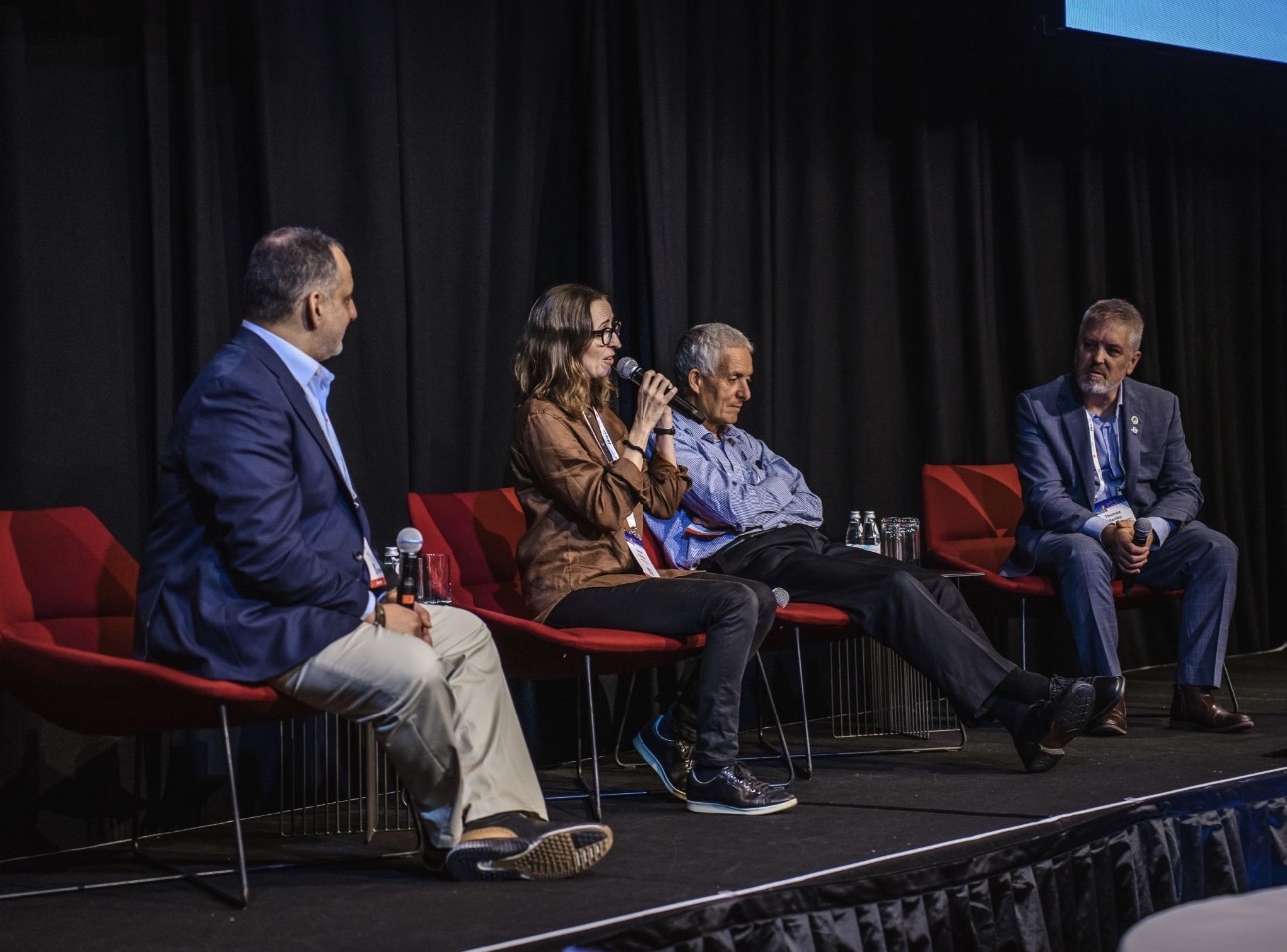
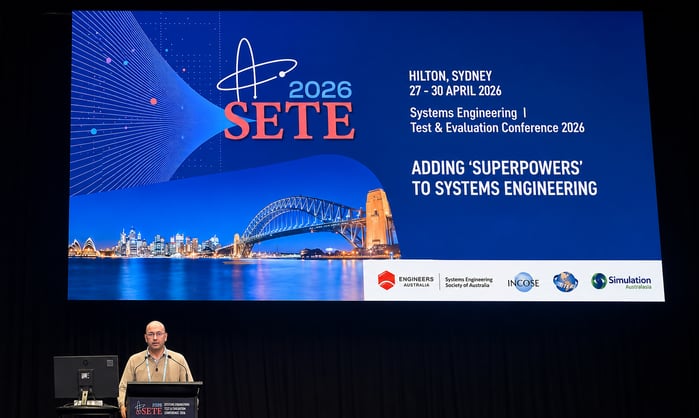
At this year’s Systems Engineering Test and Evaluation (SETE) Conference, hosted by Engineers Australia and the Systems Engineering Society of Australia (SESA), it was clear that the engineering landscape is evolving rapidly.
With more than 300 delegates and over 70 technical papers presented, the conversation extended well beyond traditional Systems Engineering. Emerging themes such as artificial intelligence (AI), Cyber Security and data-driven design are no longer adjacent considerations - they are becoming central to how complex, safety-critical systems are designed, delivered and sustained.
SAGE Group’s Christopher Whiteside contributed to these discussions, chairing two conference streams focused on complex transport infrastructure and data science in Systems Engineering. The sessions brought together perspectives from across industry, government and academia, highlighting both the opportunities and challenges shaping the future of Engineering.
What emerged was a consistent message: systems are becoming more complex, more connected and more exposed and the disciplines required to manage them are converging, relying more than ever on Systems of Systems thinking.
Historically, disciplines such as Cyber Security, AI, safety and Systems Engineering have been considered separately. Today, that separation is becoming increasingly impractical.
Rather than layering Cyber Security or AI capabilities onto existing systems, the focus is shifting toward integration from the outset. Security, data and intelligence must be considered as part of the architecture, not as afterthoughts.
This shift toward convergence was one of the strongest themes throughout SETE 2026.
AI was a dominant topic across multiple sessions, but the discussion was notably pragmatic.
While AI presents clear opportunities to improve efficiency, augment decision-making and address skills shortages, there was strong consensus that human accountability must remain at the centre of system design and operation.
In practice, this means:
For organisations delivering or operating critical infrastructure, this highlights the importance of embedding governance, ethics and transparency alongside technical capability.
Another strong theme was the changing nature of Systems Engineering delivery models, particularly in defence and large-scale infrastructure programs.
Traditional sequential approaches are increasingly being challenged by environments where requirements are uncertain, timelines are compressed, and systems must evolve during delivery.
In response, new ways of working are emerging, including:
These models still rely on core Systems Engineering principles, such as requirements management, assurance and traceability but apply them in a more flexible, adaptive way.
For Engineering organisations, this reinforces the need to maintain strong foundational practices, while also building the capability to operate in more dynamic environments.
Perhaps the most significant takeaway from the conference was the increasing integration of Cyber Security into Systems Engineering itself.
Rather than being treated as a separate or downstream activity, cyber considerations are now being embedded across the entire lifecycle. From concept and design through to operation and maintenance.
This includes:
There was also a broader recognition that integrating cyber into Systems Engineering is not just a technical challenge, it is an industry-wide shift requiring shared standards, common language and greater collaboration.
Across all sessions and discussions, a clear picture emerged.
Critical infrastructure is entering a new phase - one defined by:
In this environment, organisations can no longer treat disciplines in isolation. Designing, delivering and operating resilient systems now requires an integrated approach. One that brings together Systems Engineering, Cyber Security and digital capability from the very beginning.
The conversations at SETE 2026 reinforced that the future of Engineering will be shaped by how effectively these disciplines come together.
For organisations working in complex, safety-critical environments, the challenge is not just adopting new technologies, it is rethinking how systems are conceived, designed and managed in an increasingly connected world.
 Jeremy Hulse : April 24, 2026
Real-time data provides manufacturers with rich insights into their processes.
 Jeremy Hulse : July 11, 2024
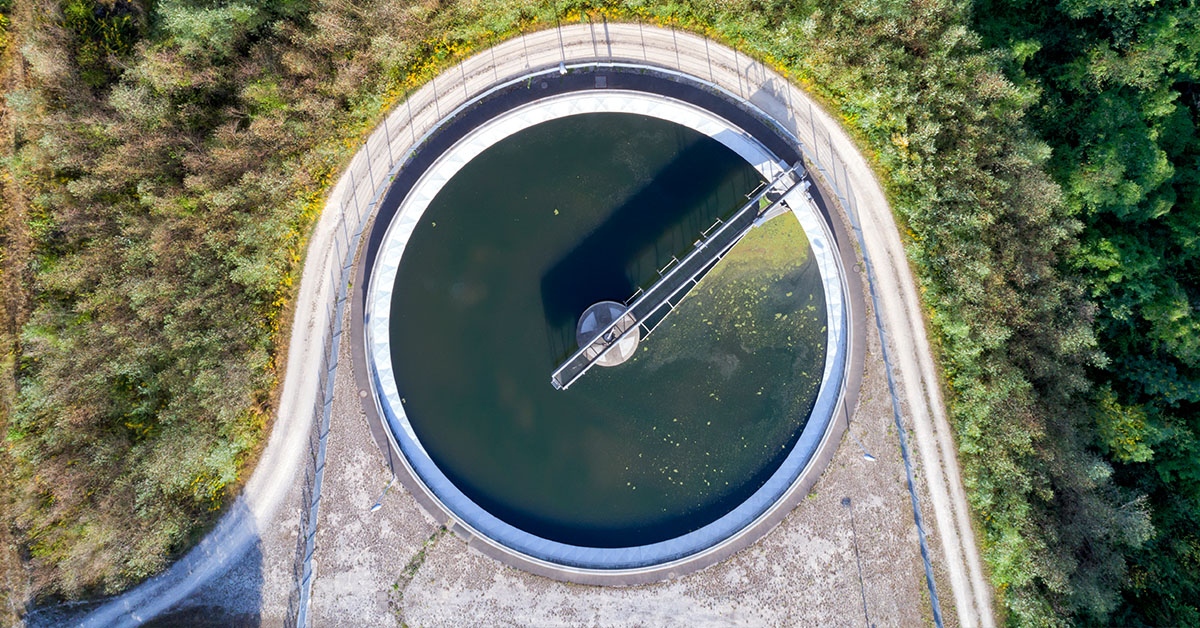
We explore the crucial need for cyber security in the water sector, including key threats, regulatory obligations, and proactive strategies.

Learn about AESCSFv2 — the latest update to AEMO's cyber framework that can be adopted in your risk management program within the SOCI Act.