SAGE delivers complex fuel farm control system upgrade for RAAF
SAGE Automation delivered a complete upgrade of the electrical and control systems for two fuel farms at Darwin RAAF base, while ensuring the fuel...
CASE STUDY
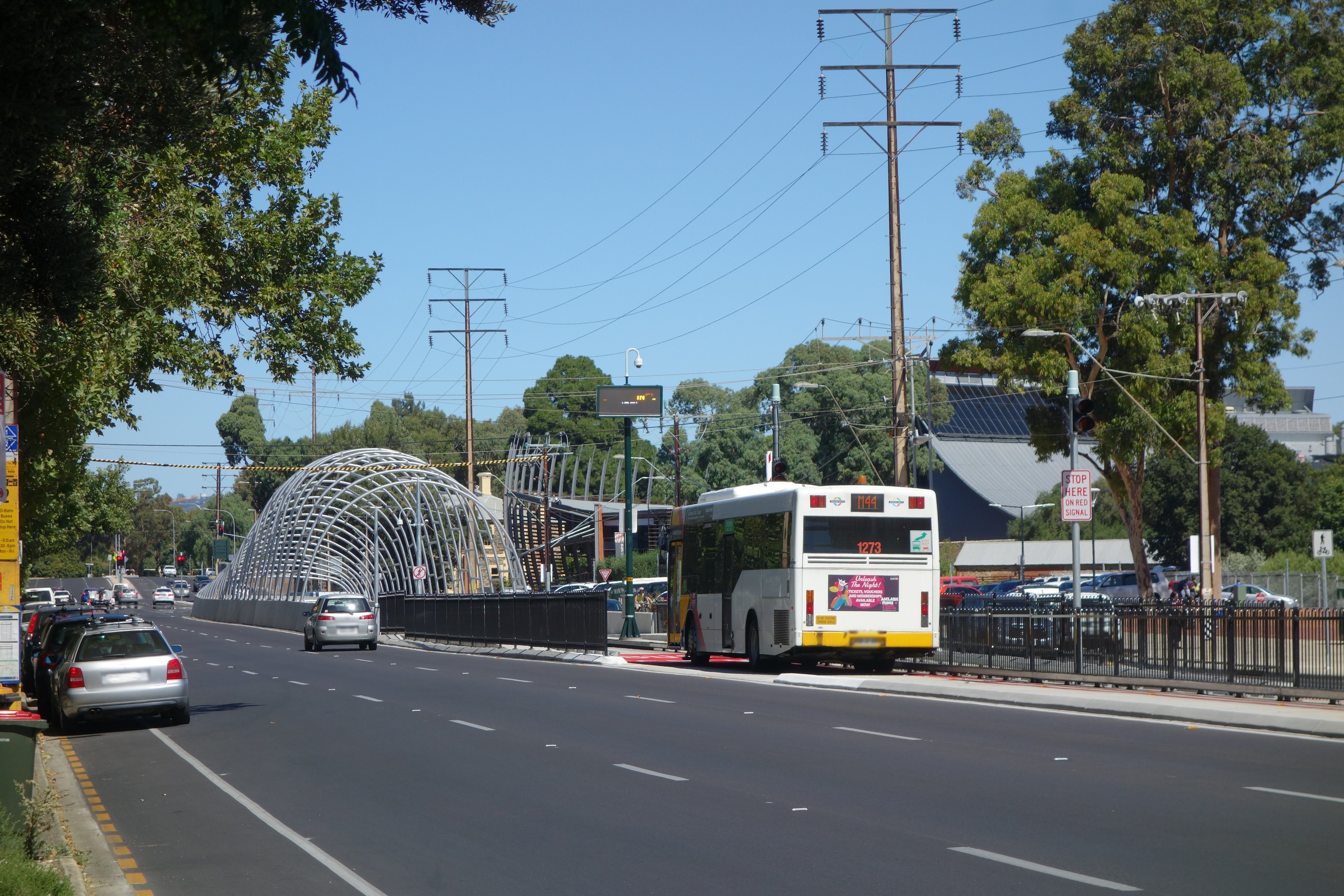
Adelaide’s O-Bahn is one of only a few guided busways and busway tunnels in the world. The rapid transport system allows buses to travel along rail-like corridors to avoid normal road traffic, while having the ability to move onto normal roads. The unique design brings passengers much closer to their last mile destinations than trains or rail. The O-Bahn transports approximately 30,000 passengers every weekday between the CBD and the city’s north-eastern suburbs.
Since the O-Bahn’s inception in 1986, the city has experienced significant growth. Vehicle movements on the Hackney Road/Botanic Road intersection were reported to be at capacity with around 79,000 vehicle movements on an average weekday. The flow-on effects were obvious: the on-road section of the O-Bahn between Gilberton and the CBD was experiencing congestion and was affecting the reliability of service times.
In 2015, the South Australian Government announced the $160 million O-Bahn City Access project. Its goals were to:
SAGE provided a turnkey solution for the main works contractor McConnell Dowell, ensuring the safe and efficient operation of the new 670-metre O-Bahn tunnel and its approaches. SAGE designed, manufactured, installed and commissioned the systems required for the intelligent transport system (ITS), tunnel control, fire-life safety, ventilation, deluge pumping, and power monitoring systems.
Careful consideration was given to reducing whole-of-life costs for the tunnel, in particular: energy efficiency, life expectancy, routine maintenance requirements and local supportability.
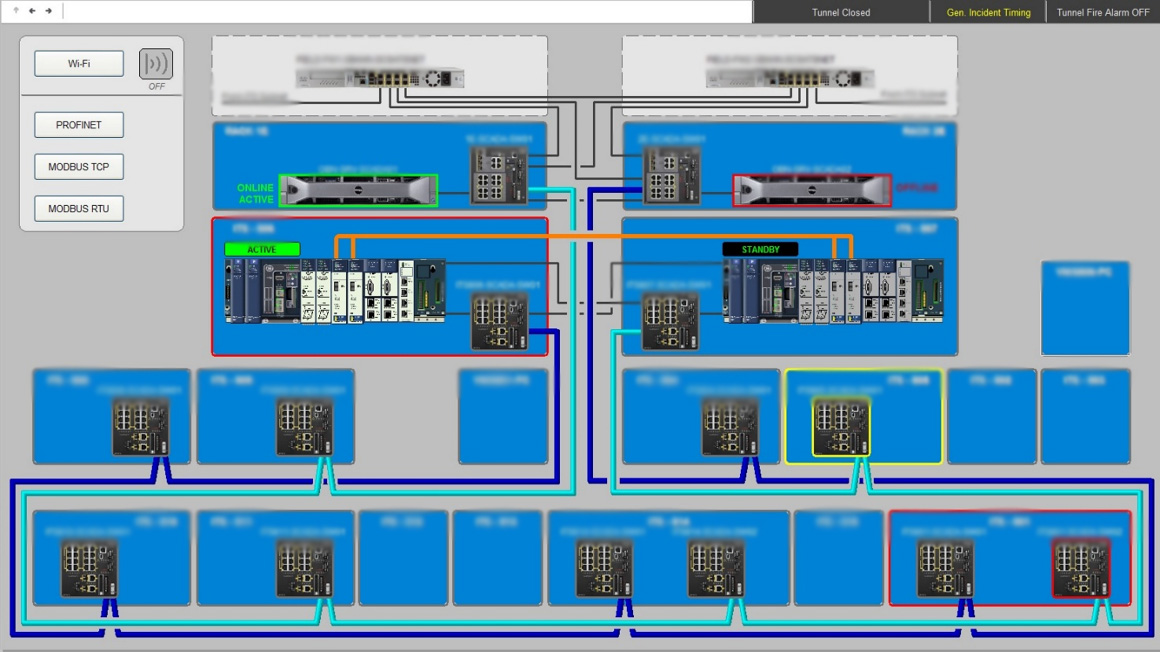
This system provides advanced diagnostics for all tunnel subsystems. A redundant fibre network connects each system, ensuring maintainability and flexibility to scale in the future. This results in less cabling, greater diagnostic ability and reduced construction costs.
The tunnel is equipped with a fully redundant controls system and network that can handle multiple points of failure. The entire system, from the PLC, through to security cameras communicate through a physically separate redundant ring network.
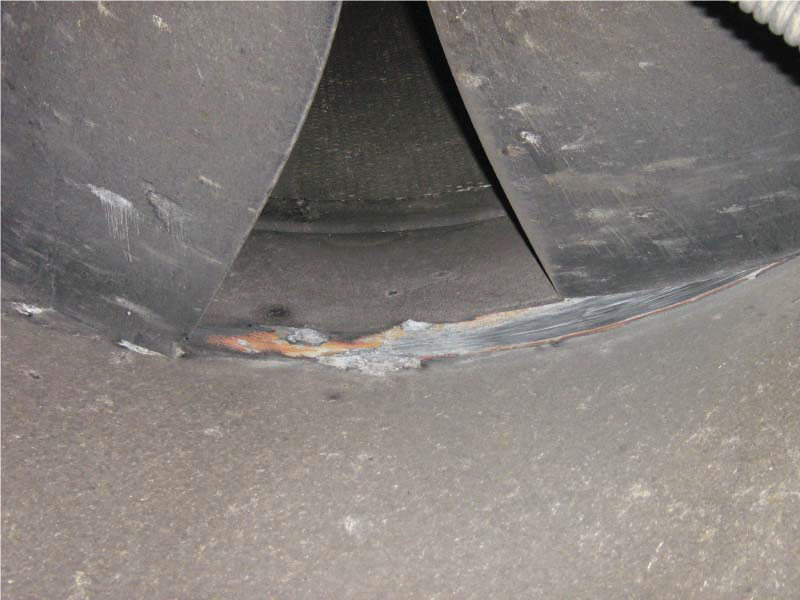
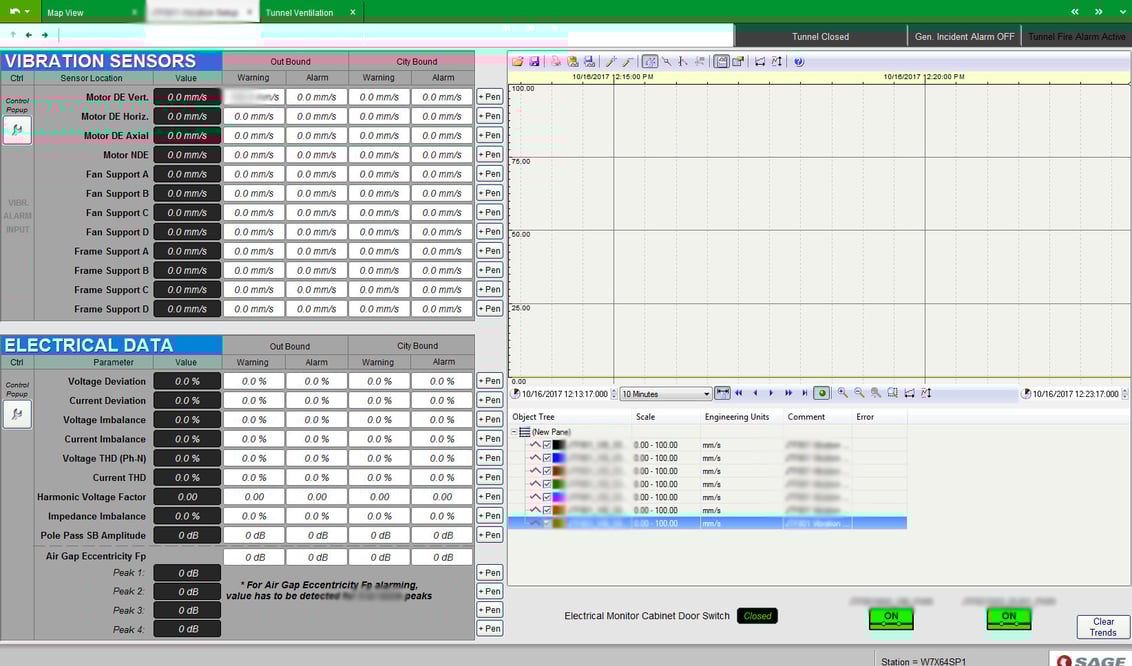
Vibration and electrical trend data from the tunnel’s ventilation fan blades, motors and mounting brackets detect and report wear and tear before breakdowns. This predictive maintenance capability increases fan lifespan and reduces lifetime maintenance costs while increasing tunnel availability.
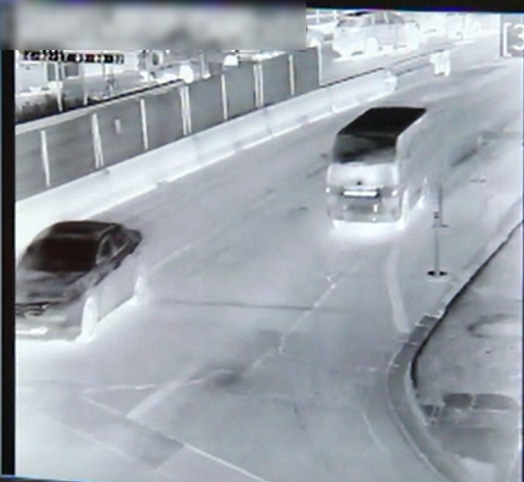
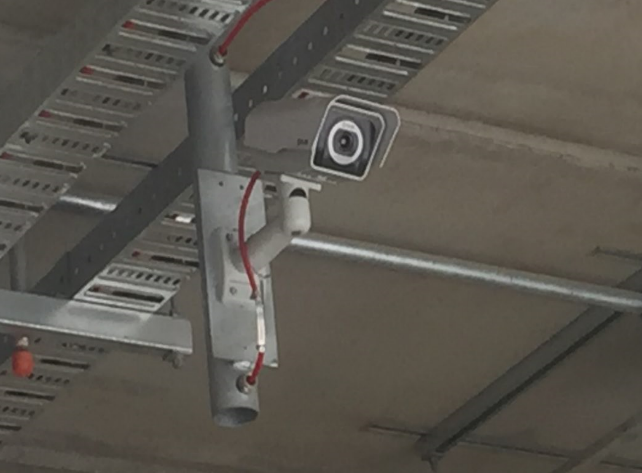
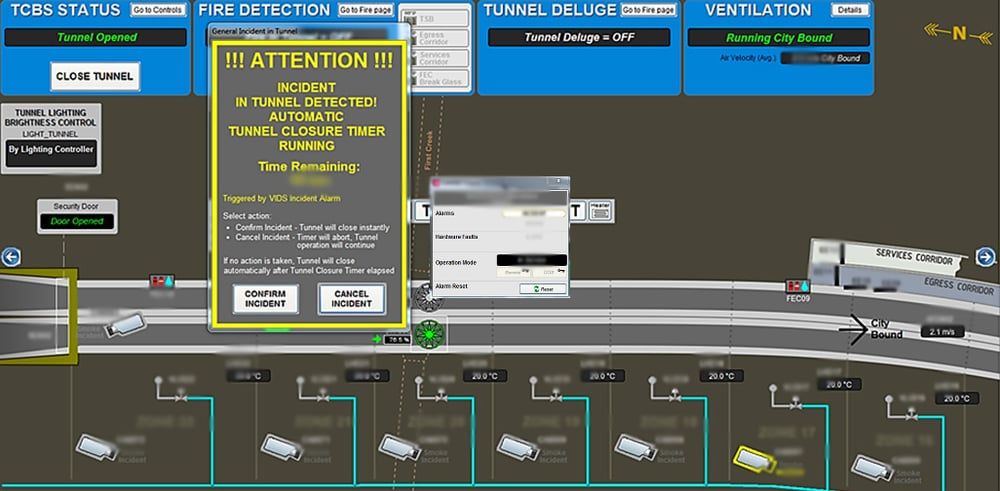
The tunnel is equipped with automatic incident detection cameras that detect abnormal activity such as smoke, unauthorised persons, wrong traffic direction and stopped vehicle or debris. Incident alarms are sent to the traffic management centre and/or control system for automatic response, allowing for instant situational management. In addition, cameras are positioned to sit underneath the smoke layer in the event of fire.
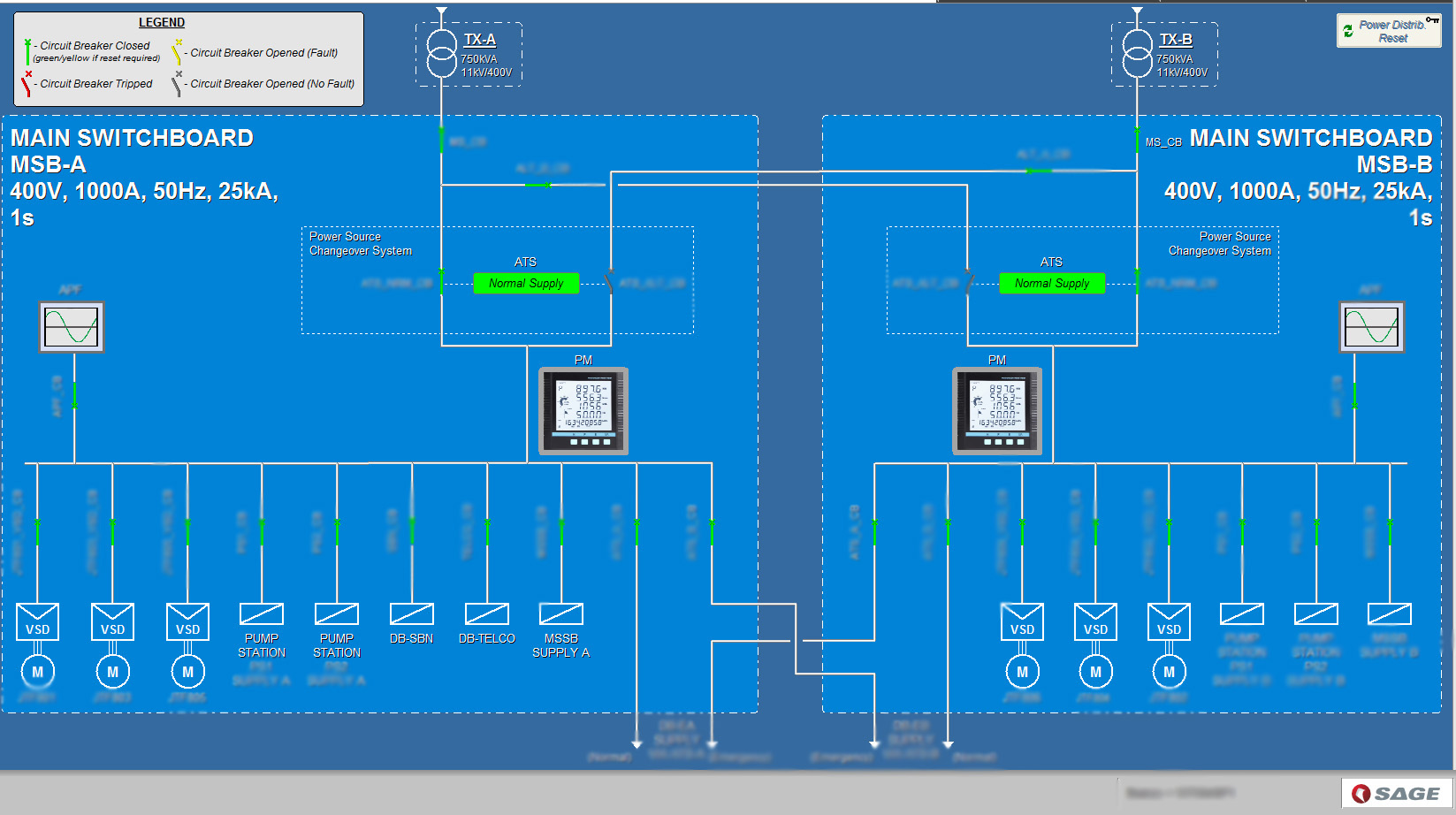
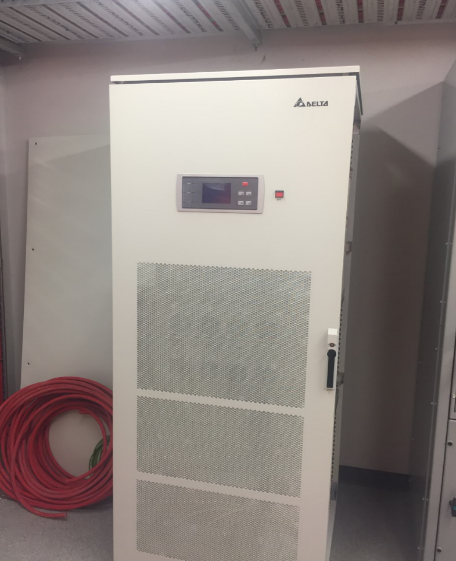
A power factor correction and harmonic controller reduces power costs and increases the life expectancy of devices, while a power monitoring solution provides diagnostics to analyse potential faults before they occur. Full physical redundancies ensure tunnel energy supply.
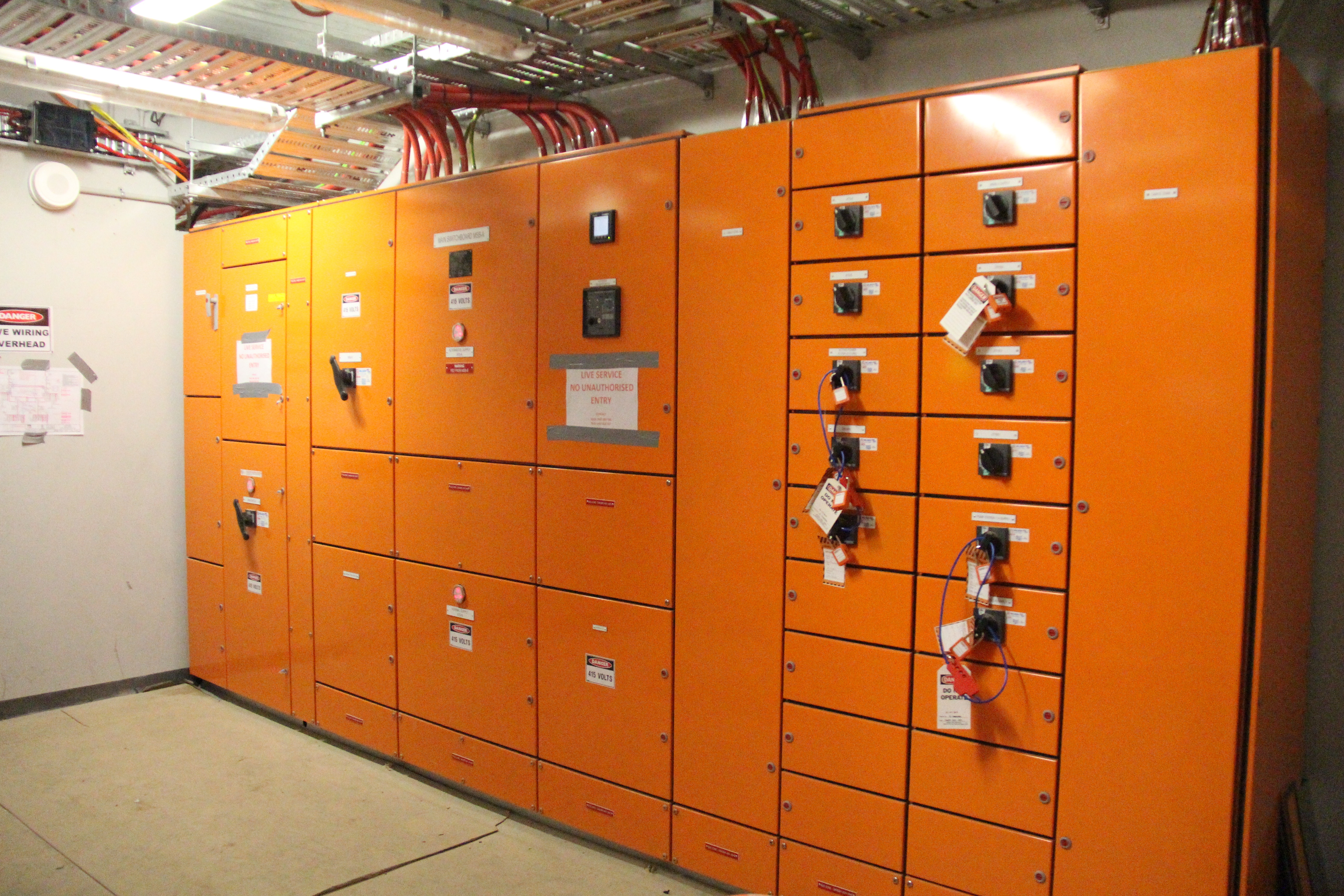
SAGE designed, manufactured and tested:
Local design and manufacture of panels at SAGE’s Advanced Manufacturing Facility ensured they were delivered on time to a world standard quality.
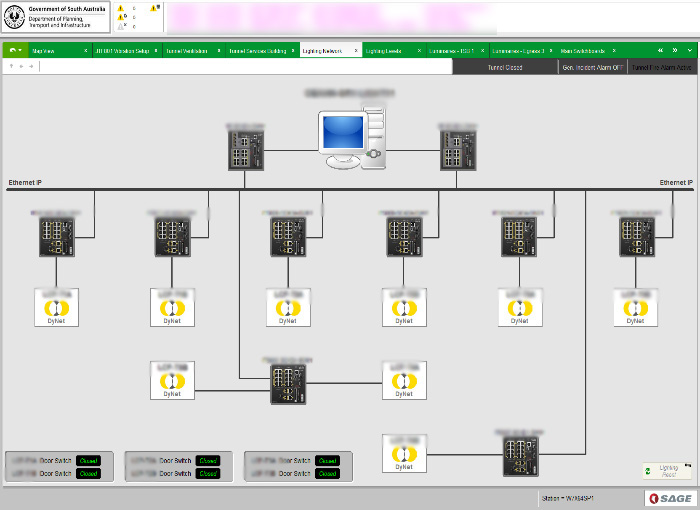
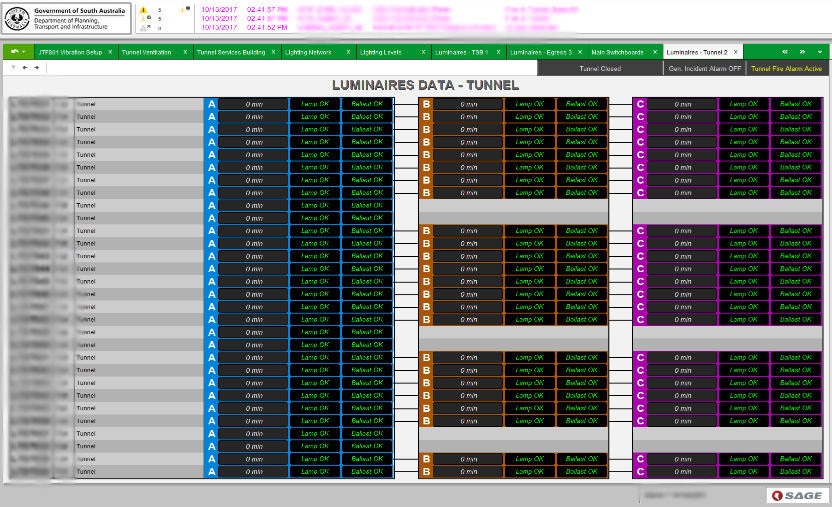
This is the first wholly LED lit tunnel in Australia featuring advanced integrated control and fault management facilities, as well as the first deployment of LED egress guidance lighting system. All this is maintained through a SAGE designed SCADA interface.
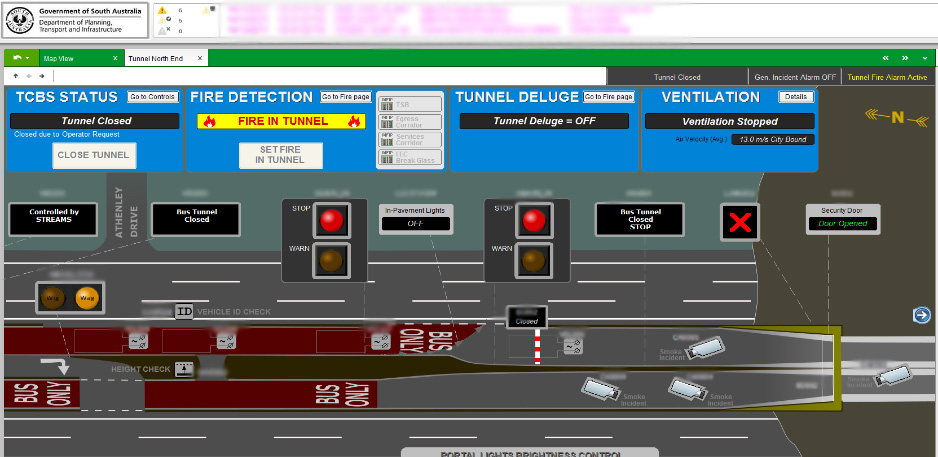
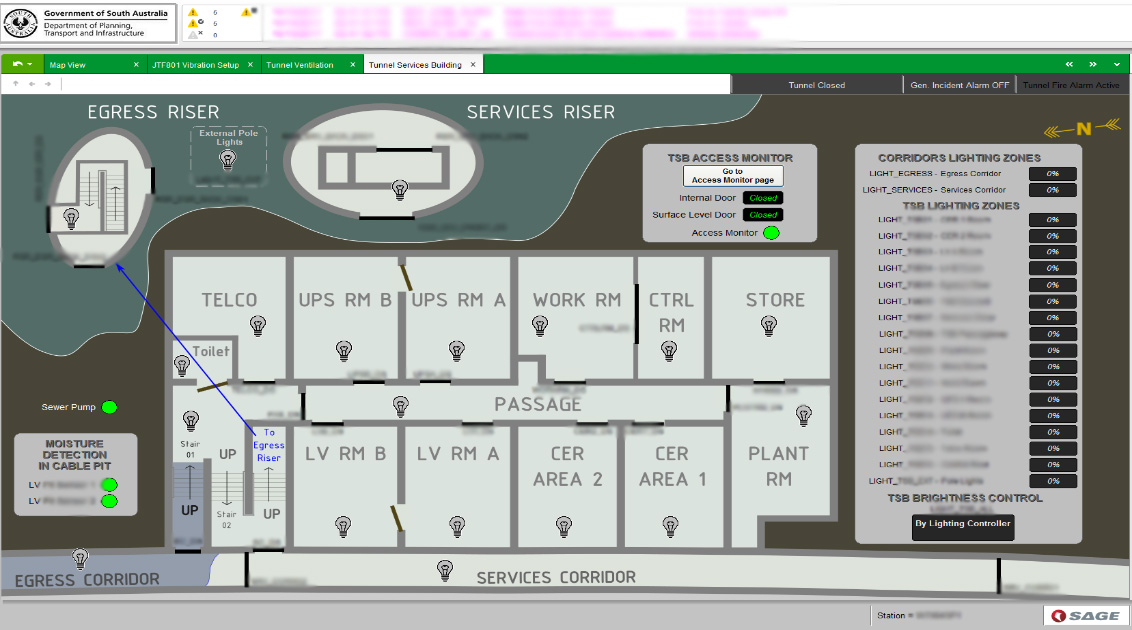
These systems are equipped with a highly functional SCADA interface, giving operators unparalleled controls and visibility of all tunnel subsystems through one interface.
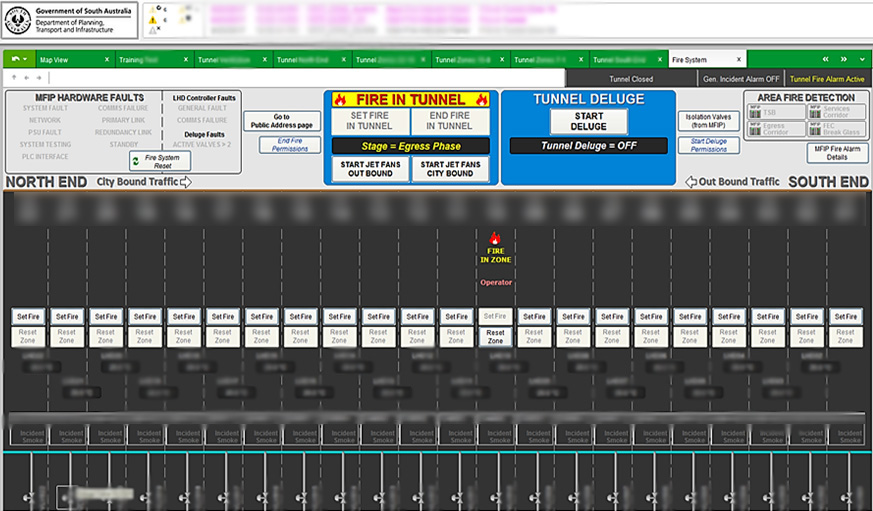
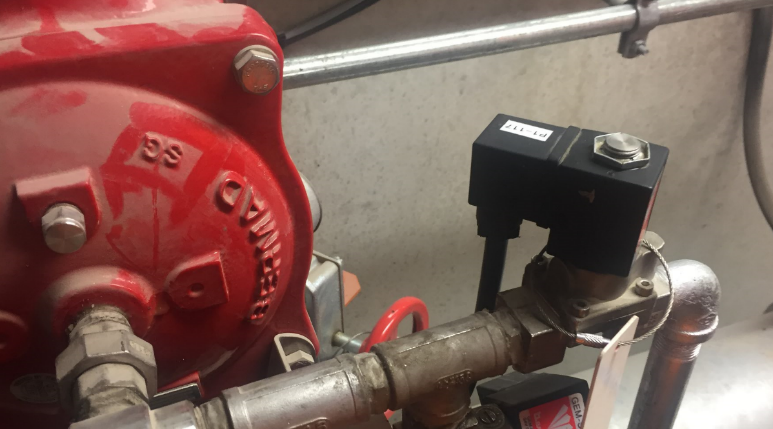
The SCADA interface is fully integrated with the independent fire detection system, giving operators a real-time visual representation of fire events within the tunnel. This allows operators to brief firefighters early, and activate remote firefighting protocols via the deluge system.
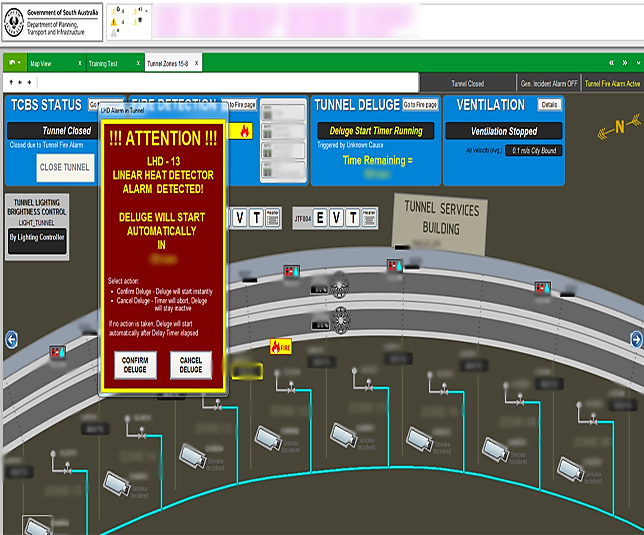
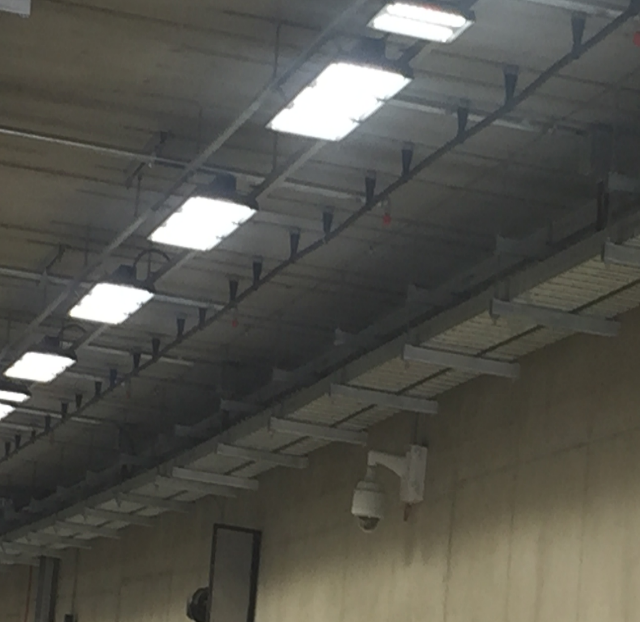
As part of the fire detection system, linear heat detectors sense the temperature along the tunnel, giving operators the fire location with pinpoint accuracy. This information can be passed to firefighting services to allow for a faster, more effective response.
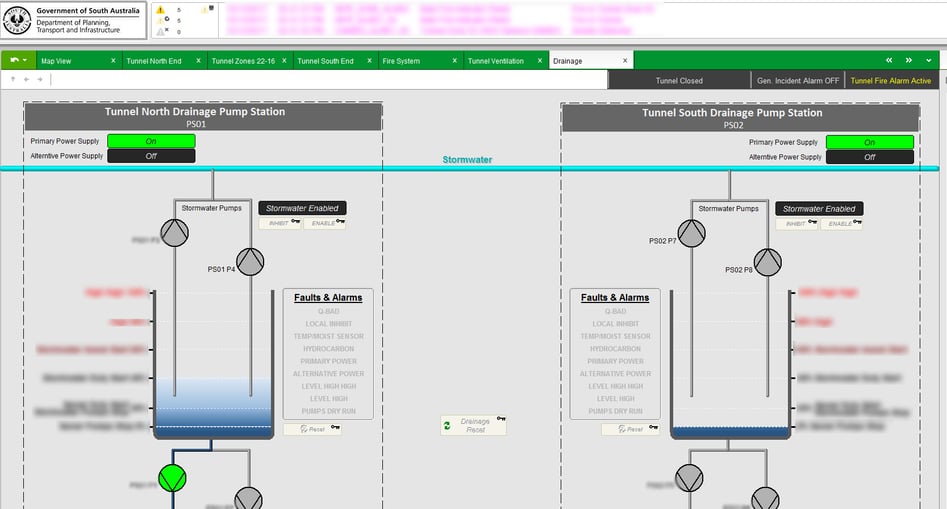
Two redundant sumps collect and drain water under the tunnel and are equipped with a fully redundant control system that detects and alarms for hydrocarbon levels, temperature, water levels, power, and moisture. Automatic actions allow water to be either pumped to stormwater drainage or the sewer system, based on water quality.
Public address system
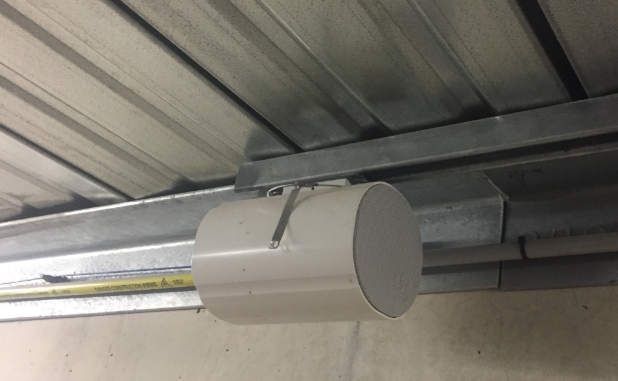
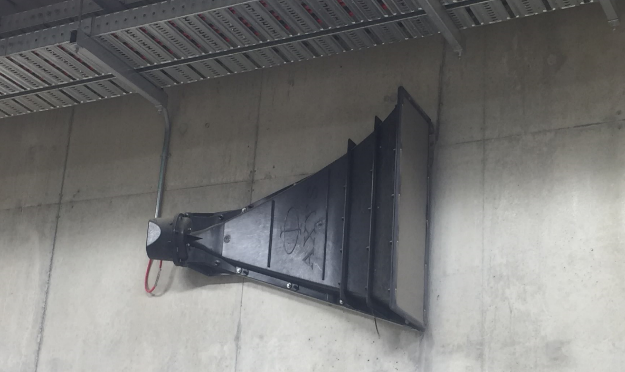
Tunnels speakers have been acoustically designed for the shape and construction materials of the tunnel so the sound is not distorted. This ensures all messages, whether recorded or live are understood by those within the tunnel. An audible and intelligible speaker system is a highly important safety aspect in the event of fires or major tunnel event.
The O-Bahn is the only busway tunnel in the southern-hemisphere and is now equipped with these state of the art C-ITS technologies, designed to reduce congestion and handle the city’s growing population.
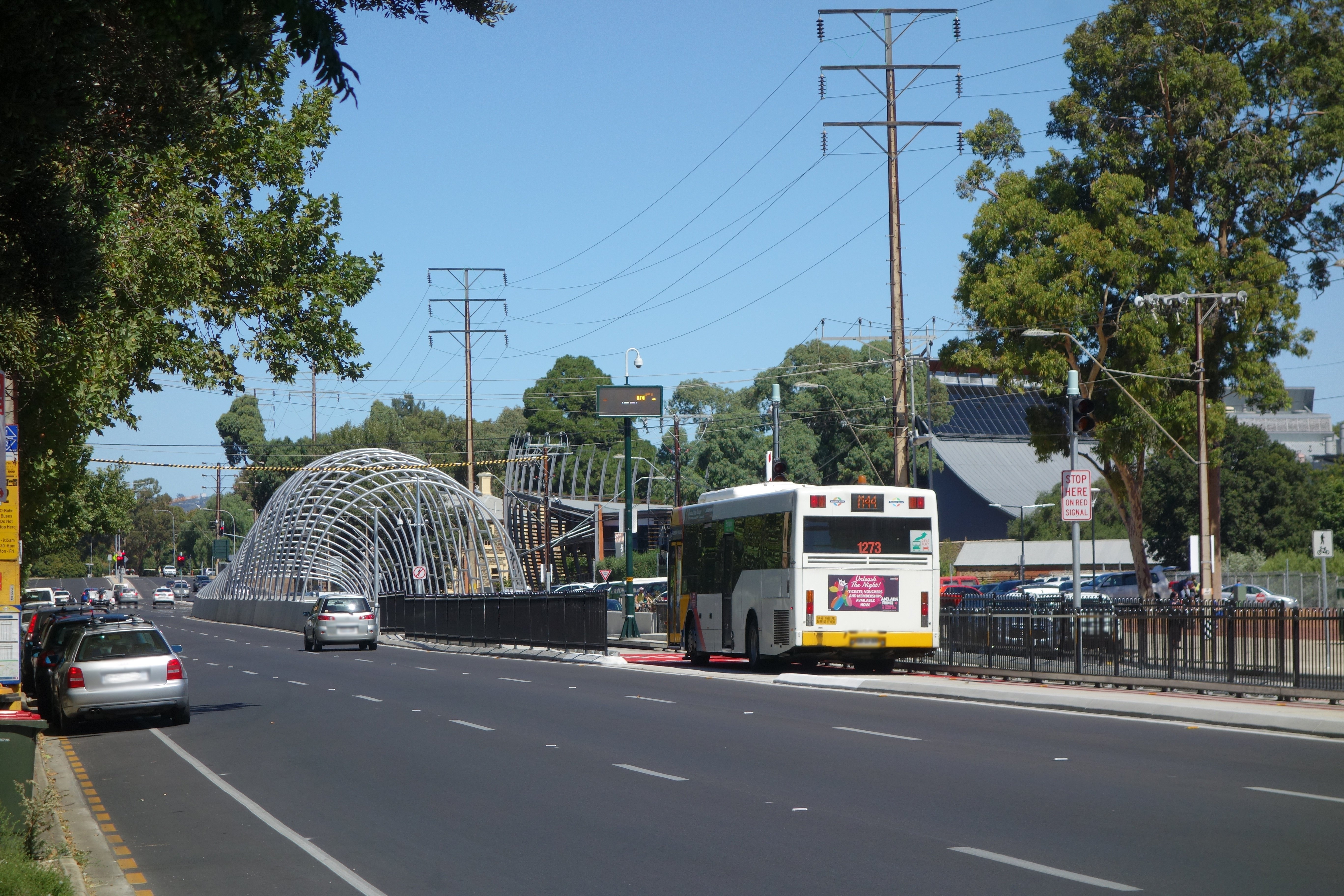
“Our local partnership with SAGE was an important factor in the award of the O-Bahn City Access Project. With its reputation for similar, successful projects across Australia, McConnell Dowell and Department of Planning, Transport and Infrastructure (DPTI) knew that SAGE could drive innovation through the project using its local experience.”
- Mario Russo, McConnell Dowell Project Manager
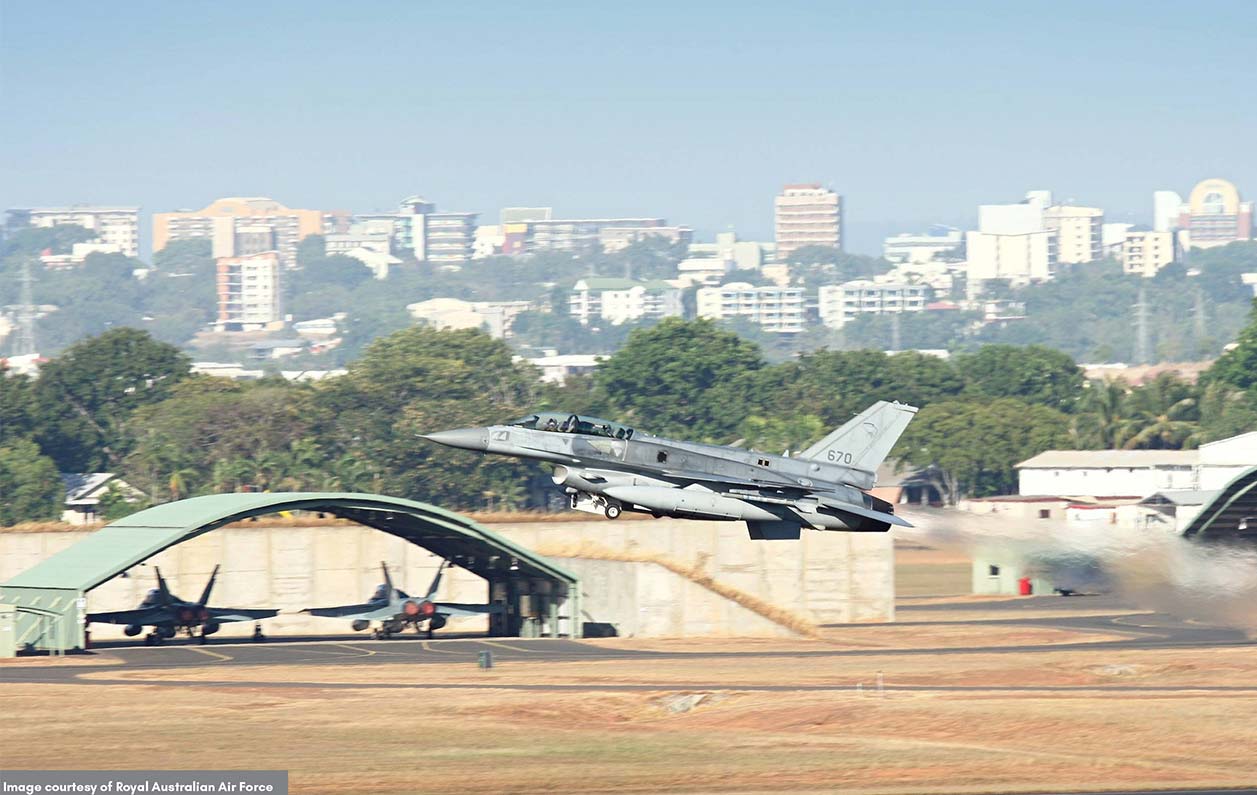
SAGE Automation delivered a complete upgrade of the electrical and control systems for two fuel farms at Darwin RAAF base, while ensuring the fuel...
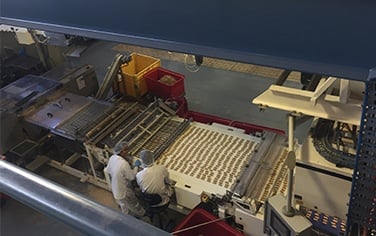
SAGE delivered a new HMI, oven control system and cooling systems which gave Arnott’s Biscuits flexibility in their expanding production line.

Implementing new control systems for underground mining explosives delivery. Including remote HMI and support as an original equipment manufacturer...