ARTICLE
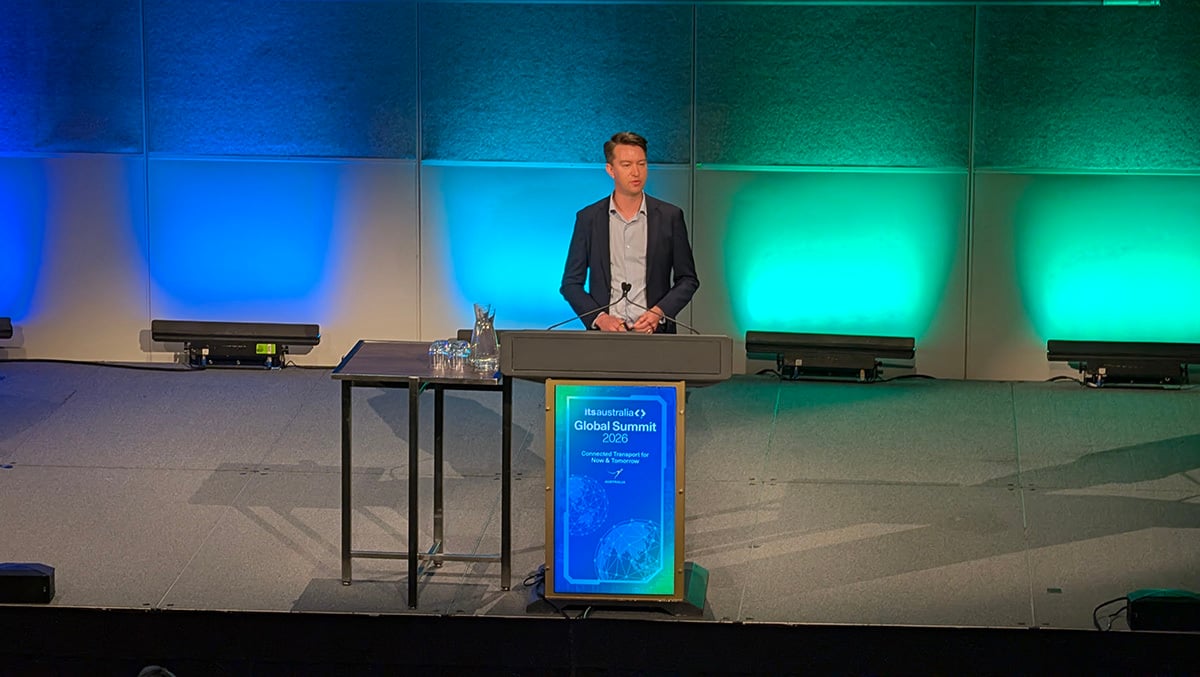
At the ITS Summit 2026, SAGE’s Ashby Martin, Practice Lead, Asset Intelligence, delivered a keynote on AI, data and compliance in Australia’s busiest ports. Away from the stage, something else caught his attention: the same heavy vehicle data being captured several times over. Here’s his personal take, originally shared on LinkedIn.
Ten years ago, "data-driven decision-making" was the rhetoric. Walking around the TMR EIT Forum and the ITS Global Summit, it feels like we've largely arrived.
At EIT I saw load cells installed on bridges measuring actual axle loadings from heavy vehicles passing over the structure. The data confidently identified vehicle types, informed condition assessment, and exposed some seriously overweight events the asset had been subjected to. Impressive.
Then I saw a separate project that installed dozens of ANPR cameras to measure heavy vehicle loadings on bridges. Then a government agency presentation using telematics to track heavy vehicle movements along the east coast.
A lot of effort has gone into each. Combining the datasets would clearly benefit all three. But the commercial and data-security realities of each project make that unlikely.
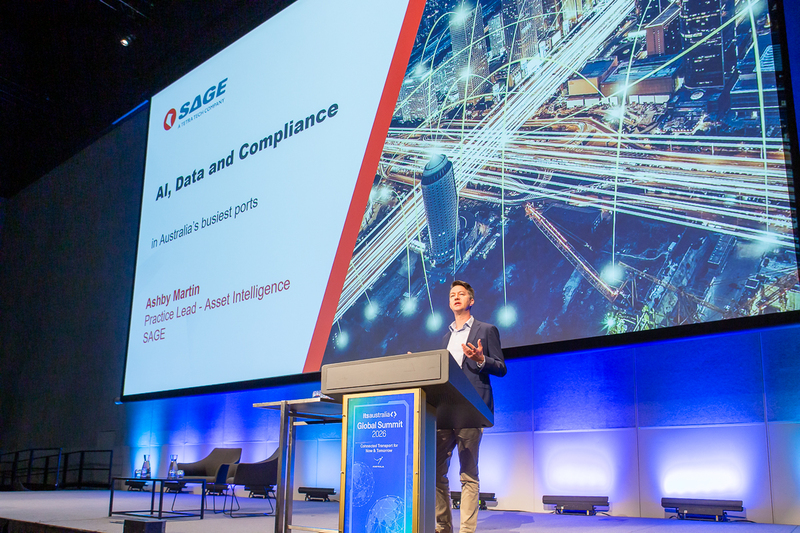
Pictured above: Ashby Martin delivering a keynote presentation on AI, Data and Compliance in
Australia's busiest ports.
The iMOVE retrospective at the ITS Summit raised the obvious question: should data sharing be regulated? On the face of it, requiring publicly funded projects to share data looks like a good outcome: less duplication, and bias is easier to eliminate across multiple sources. A show of hands suggested roughly half the room agreed.
I'm not convinced. If the start-up delivering the bridge load cell solution has to share data that makes the regional telematics solution "good enough" to skip active measurement, that's a disincentive to invest in the innovation in the first place.
It's a hard problem. My view is that it will take time for market forces to find a natural fit for data sharing that maintains quality, privacy, security, latency and fidelity, while also making commercial sense. Regulation risks short-circuiting that.
Keen to hear from those who put their hand up for regulation. What am I missing?
Join the conversation on LinkedIn.
Interested in more insights like this? Subscribe to The SAGE Signal for the latest updates and exclusive highlights from across SAGE Group.