1 min read
How IoT devices are improving road safety at rural intersections
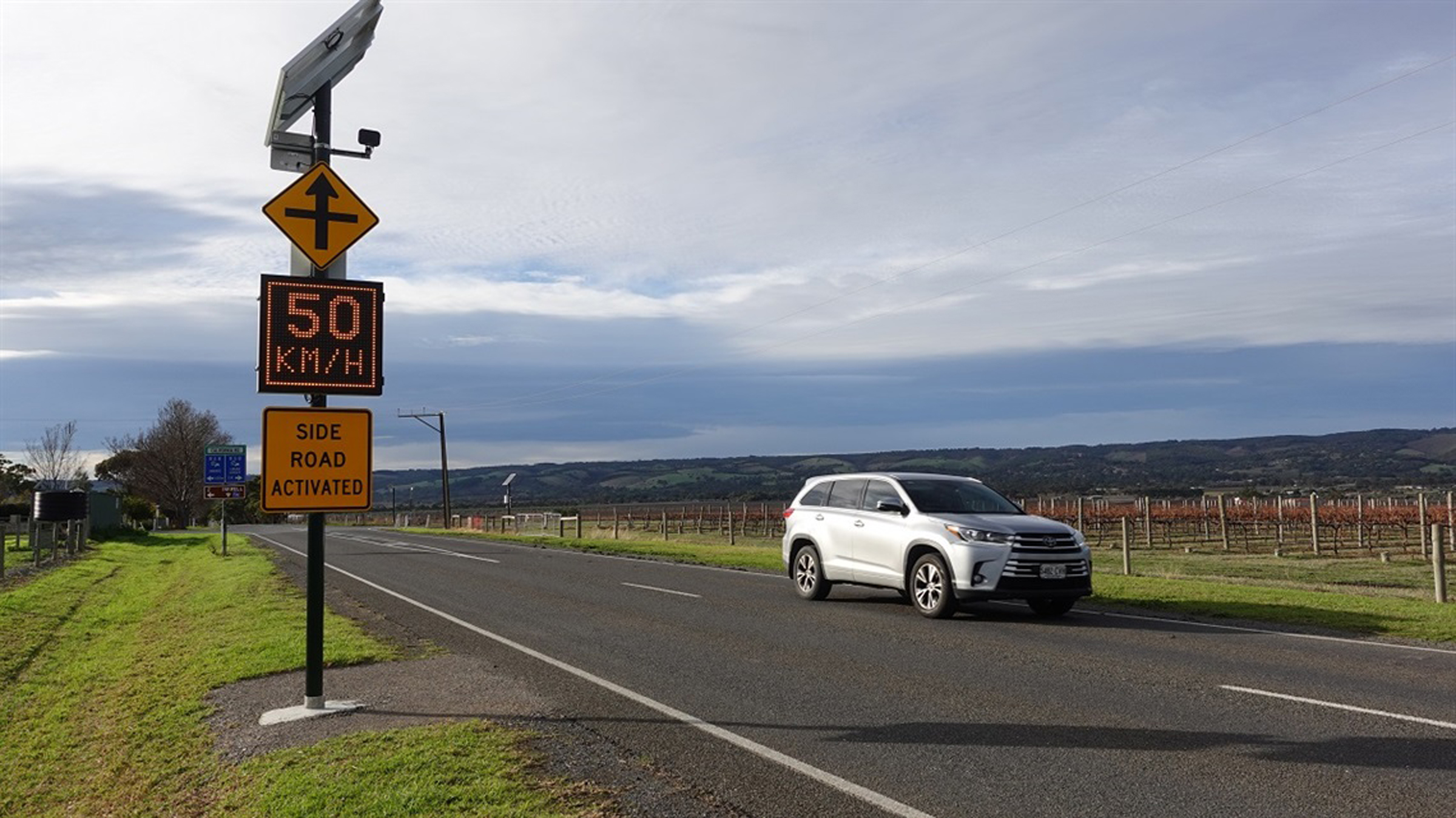
In 2020, within the Greater Adelaide region, 31% of fatal crashes were at intersections, according to the Statistical Summary of Road Crashes and...
ARTICLE
SAGE Automation : May 25, 2026
3 min read
Reliable electricity in remote Australia has traditionally depended on diesel generation. This approach brings significant operational and logistical challenges. Fuel transport over vast distances, rising maintenance demands, and the need to maintain continuous supply in harsh environments all place increasing pressure on remote energy operators.
As the energy transition accelerates, integrating renewable energy into very remote power systems is becoming essential. But successful renewable integration in remote communities requires far more than simply adding solar and battery assets. It demands carefully engineered coordination between distributed energy resources, existing generation infrastructure, control systems and operational support frameworks.
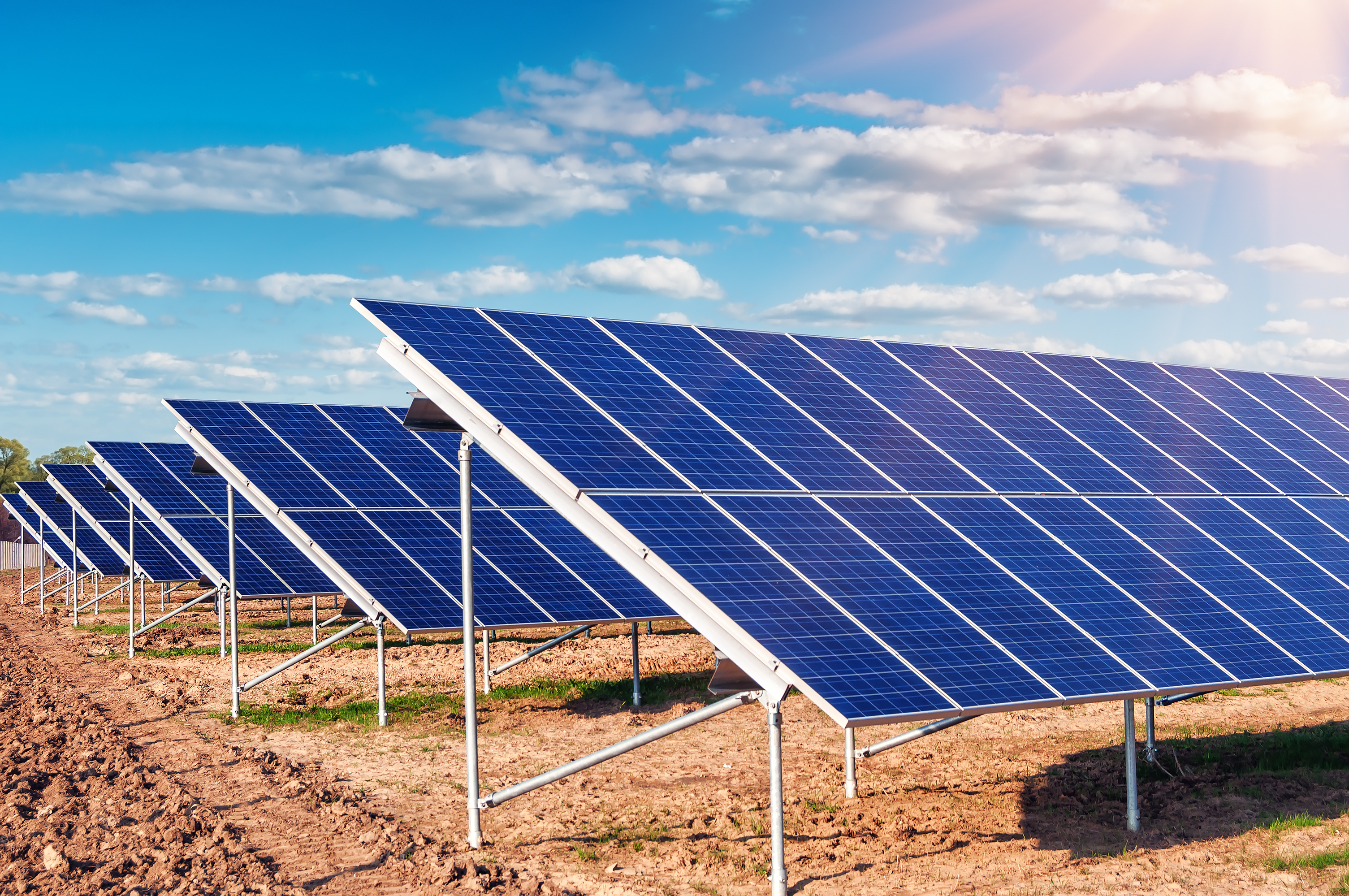
SAGE Automation partnered with the Government, renewable energy specialists and local community stakeholders to deliver the electrical and control infrastructure for a newly upgraded remote power station in regional South Australia. The project supports the integration of solar generation and battery energy storage into an existing diesel-powered network.
The result is a more efficient, resilient and sustainable hybrid energy system designed for long-term operation in one of Australia’s most demanding environments.
Upgrading remote power infrastructure away from reliable but costly diesel-based fuel into renewable cleaner energy presents unique engineering challenges for design, hardware and installation. The consistently extreme conditions including temperatures, access limitations and unsealed roads with limited on-site resources can complicate upgrading infrastructure. These communities are entitled to uninterrupted supply all require systems that are robust, maintainable and operationally resilient over the long term.
To address these challenges, SAGE delivered an integrated electrical and control solution designed to coordinate solar generation and battery storage to complement the diesel generation on site within a secure and scalable control architecture.
Drawing on extensive experience across remote energy assets throughout South Australia and the Northern Territory, SAGE applied proven standardised designs and engineering templates to support reliability, scalability and lifecycle maintainability across the project.
This approach reduced delivery risk while supporting long-term operational performance and future system expansion.
Integrating renewable generation into isolated microgrids introduces operational complexity. Multiple distributed energy resources must operate in harmony while maintaining grid stability, power quality and reliable energy supply for the local community.
The design SAGE delivered involved an updated control and monitoring architecture that improves asset visibility, microgrid stabilisation and management.
The updated remote area energy microgrid supports:
Importantly, the project demonstrates how renewable integration can be achieved while maintaining the reliability and resilience critical to remote infrastructure operations.
SAGE was involved in a team who provided a fully integrated delivery model spanning electrical engineering, control systems integration, switchboard manufacture, commissioning and operational support.
The scope included:
By combining engineering, manufacturing, integration and service capability within a single organisation, SAGE ensured seamless coordination between electrical, control and communication systems throughout project delivery.
This integrated approach reduced complexity for project stakeholders while supporting safer, more efficient project execution.
A key project focus was ensuring the power station could continue to operate efficiently with minimal maintenance to allow reliable energy into the future.
SAGE leveraged modular, type-tested switchboard systems and scalable control architectures to support future expansion and long-term operational flexibility.
This lifecycle-focused approach helps operators improve asset performance while reducing operational risk in remote environments where reliability is essential.
As Australia’s remote energy systems continue to evolve, the successful integration of renewable generation will depend on more than civil infrastructure investment alone.
Achieving long-term performance requires deep expertise across electrical engineering, control systems, operational technology and lifecycle support - combined with the ability to integrate complex energy assets into stable, resilient operating environments.
This project demonstrates how intelligent integration, scalable design and operationally focused engineering can help transform remote power delivery, reducing diesel dependence while improving efficiency, reliability and long-term sustainability for remote communities.
For SAGE, it also reinforces the importance of delivering integrated industrial solutions capable of supporting the next generation of critical energy infrastructure.
Read the case study here
1 min read
In 2020, within the Greater Adelaide region, 31% of fatal crashes were at intersections, according to the Statistical Summary of Road Crashes and...
1 min read
In very remote South Australian townships, electricity supply has long depended on diesel generation, resulting in high fuel costs, delivery...
1 min read
At the forefront of technological advancement lies generative artificial intelligence (AI), a transformative force reshaping industries from the...