The Guide to What Everyone is Doing in OT Digitalisation: Manufacturing
The “non-influencer’s guide” to what each industry is doing in the OT digitalisation space, looking at what's happening in the manufacturing sector.
ARTICLE

Ask a manufacturing general manager whether a clear strategy is essential before investing in digital transformation, and most would answer an emphatic yes. Often, they have a strategy already: a workshop output, a phased roadmap, or an agreed target (such as reducing unplanned downtime by 5%), aligned across production, maintenance, IT, and finance.
It’s easy to assume then that the hard part is getting the strategy signed off, and transformation is “actually won” in delivery. But that’s only half-right. Even with well-crafted plans, plenty of sites keep operating much as before, which suggests that delivery alone isn’t the answer either.
Strategy and delivery are different disciplines, with distinct skills, and you need both for a successful transformation.
Good strategy is more than a workshop and a roadmap.
Too often, the temptation is to digitise the process that already exists, without asking whether it's efficient, standardised, or worth keeping at all. Get this wrong, and you miss an opportunity to improve and risk inefficiency in the system you're trying to fix. That's costly to undo later.
Crucially, a good strategy involves fully engaging stakeholders in operational, quality, engineering and leadership teams to understand how the business runs today, to capture their insights and concerns. This involvement helps surface and identify existing problems early, so they can be addressed during design, development, and solution implementation rather than discovered mid-project.
It also forces a shared definition of key metrics across functions. If 'unplanned downtime' means something different to production versus maintenance, you'll get different numbers, potential disagreements, and trust issues before delivery has even started.
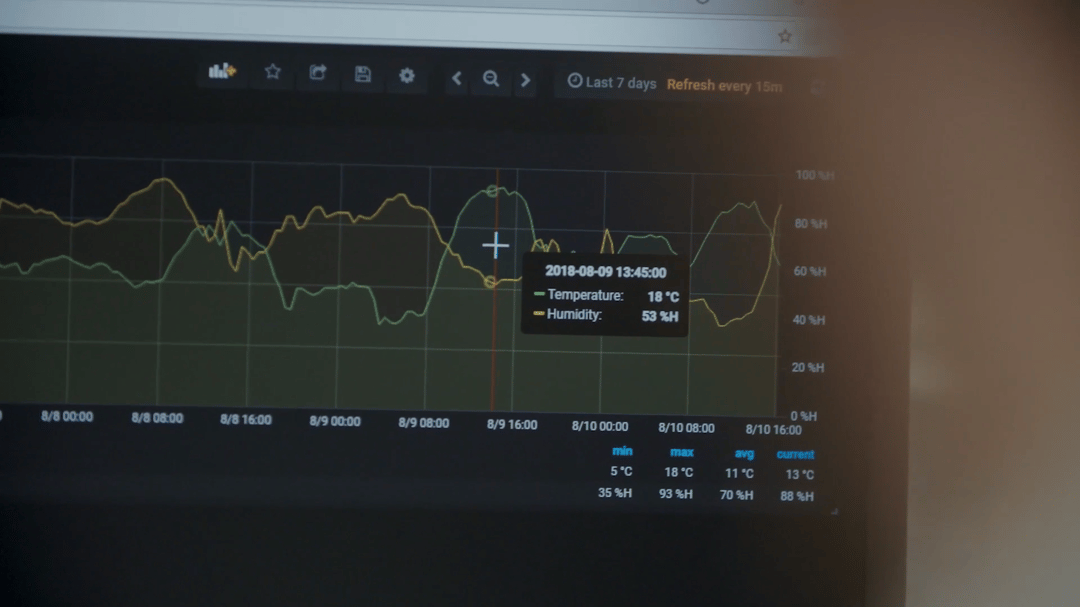
Confirming a shared definition of key metrics across functions is an important step; otherwise, there's a chance teams
will have different numbers and develop issues trusting the figures.
A roadmap needs an owner.
Delivery calls for skills distinct from strategic thinking: converting plans into detailed work packages, configuring systems for trustworthy, integrated data, and maintaining momentum amid complexity and resource constraints.
For example, a mid-size manufacturer planning to capture machine data and introduce predictive alerts may stall if the reliability engineer is caught up ‘firefighting’ daily, and no one has the time or authority to adjust the plan to reprioritise or address delays.
A dedicated delivery team adds value by working alongside your internal team, not replacing it. This keeps the people who know the plant floor best focused on operations, rather than tying them up configuring systems or meeting vendors. It also reduces the risk of the initiative stalling when internal resources are pulled elsewhere.
Alignment between functions must be built and maintained throughout delivery.
As delays, resource constraints, or shifting priorities emerge, teams must revisit their objectives openly. This takes ongoing facilitation and technical judgement, arguably a shared skill, present in both good strategic advisory and good delivery leadership. The difference is that in delivery, it must happen continuously, under time pressure, not once in a workshop.
 Teams should revisit their objectives openly if delays, resource constraints or shifting priorities
emerge during delivery.
Strategic advisory brings structure
It sharpens the business problem, tests assumptions about data and readiness, sequences priorities, and builds genuine alignment across functions.
Delivery brings continuity
It converts a roadmap into work packages, configures the systems and data structures that make dashboards trustworthy, and can help keep momentum when internal teams are stretched by adapting plans as challenges arise.
This is why you need both: skipping groundwork in strategy sets delivery up to fail, while losing sight of strategy during delivery risks solving the wrong problem.
The manufacturers who get the strongest results partner with teams who build rigorous, realistic roadmaps and consistently benchmark, discover and ideate on ways forward, with delivery teams focused on executing prioritised outputs supported by ongoing service and support to ensure sustainable success.
Nukon spans both strategy and delivery for a reason. We combine operational technology domain knowledge with strategic insight, translating it into the technical detail needed to carry transformation through delivery, post-implementation support and beyond.
By involving internal teams early and bridging perspectives between the top floor and the shop floor, we build realistic, inclusive, and actionable strategies. Our OT expertise in requirements gathering, solution design, and architecture means the critical foundations are laid collaboratively, instead of being handed down. With end users involved through implementation, ownership that drives real adoption is built.
On the delivery side, our teams provide the continuity to manage implementation complexity while staying aligned with the strategic goals you set. This integrated approach reduces implementation risk, improves user acceptance, and ensures long-term value realisation with continuous improvement and support.
That’s the advantage of bringing strategy and delivery together in one team: fewer handoffs, less lost translation, and stronger momentum, from intent through implementation.
With Nukon, transformation doesn’t stop at the roadmap; it keeps moving from the top floor to the shop floor until measurable value is realised.
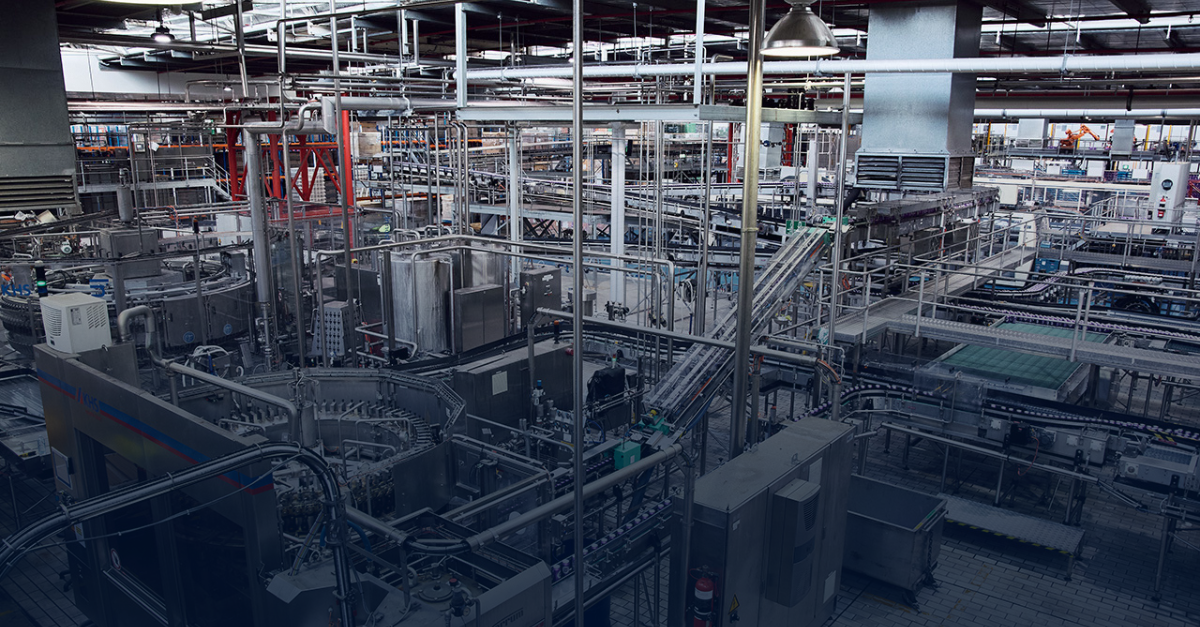
The “non-influencer’s guide” to what each industry is doing in the OT digitalisation space, looking at what's happening in the manufacturing sector.

Many organisations can stall in the early stage of their digital transformation journey - during a stage known as IT-OT convergence. Here's what you...
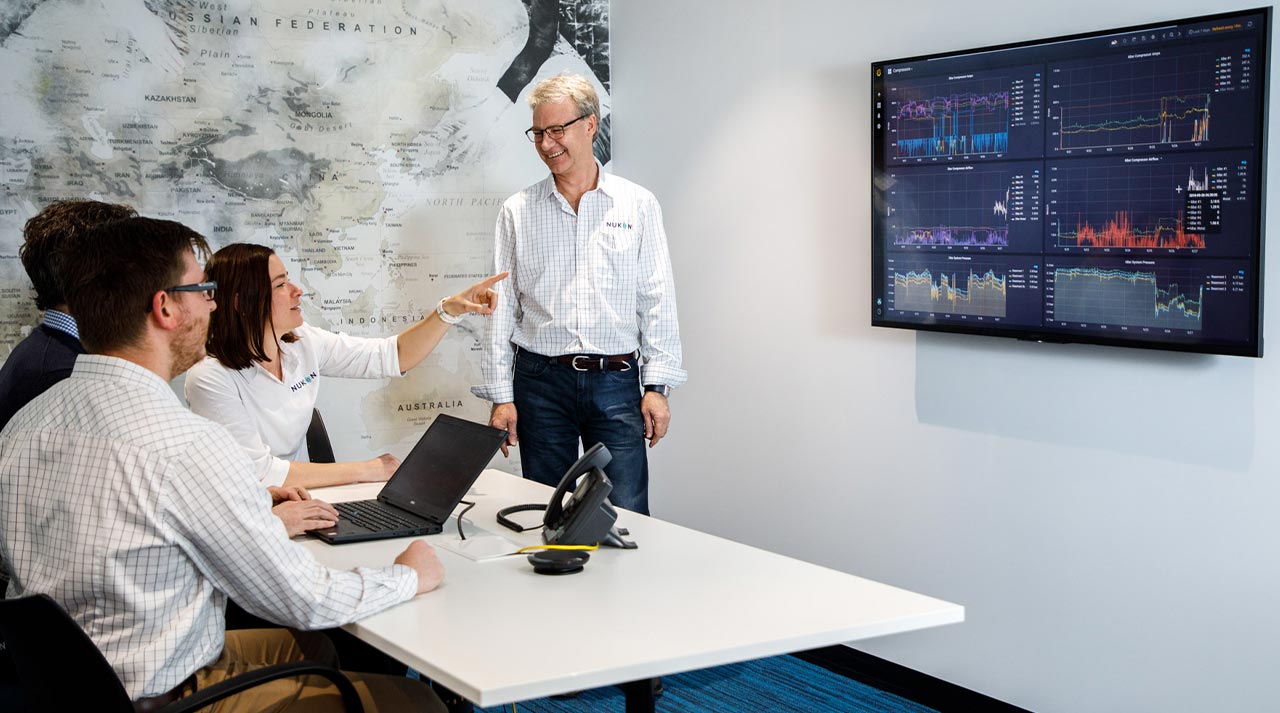
When a Nukon consultant steps into your business, their goal is to listen to you and your team to get a good picture of how things operate. We break...